


Ceviche is one of the purest expressions of freshness. No heavy cooking, no long preparation — just fish, citrus, and balance.
In Mexico, it's bold and generous, mixed with vegetables and served cold over crispy tostadas. In Peru, it's precise and immediate, focused entirely on the fish and lifted by the sharp brightness of leche de tigre. Both traditions share the same philosophy: the ingredients must be impeccably fresh, and the preparation must be honest.
Both are iconic. Both are worth doing right. Here you'll find both versions along with the complete leche de tigre recipe so you can explore each style at home.
Jump to Mexican Ceviche Jump to Peruvian CevicheMexican-Style Fish Ceviche

Bright, citrusy, and layered with texture — this is the ceviche you find in marisquerías and beach stands across Mexico. It's generous and colorful, built around the fish but completed by a full mix of fresh vegetables, herbs, and a kick of serrano chile. Served cold over crispy tostadas, it's a complete bite in every spoonful.
The key difference from the Peruvian style is the curing time and the additions. Mexican ceviche is cured longer — at least 40 minutes — allowing the lime juice to fully denature the fish and develop a firmer texture. The vegetables and herbs are added after, keeping everything bright and distinct.
Ingredients
- 1 kg white fish, cubed (tilapia or mojarra work well)
- 1 cup freshly squeezed lime juice
- 2 roma tomatoes, finely diced
- 1 white onion, finely diced
- 1 cucumber, peeled and diced
- 1 serrano chile, finely minced
- Fresh cilantro, roughly chopped
- 1 avocado, diced (optional but highly recommended)
- Altamar Sea Salt – 14 oz Add
- Sanissimo Baked Corn Tostadas – 8 oz Add
- Valentina Seafood Hot Sauce – 12 oz Add
Instructions
- Cut fish into small, even cubes — roughly 1 cm. Uniformity matters for even curing.
- Place fish in a glass or ceramic bowl. Add lime juice and a generous pinch of Altamar sea salt. Toss to coat evenly. Cover and refrigerate for 40 minutes to 2 hours. The fish is ready when it has turned fully opaque and firm throughout.
- Remove from the fridge. Add tomato, onion, cucumber, serrano chile, and cilantro. Toss gently to combine without breaking the fish.
- Taste and adjust — add more salt or lime juice as needed. Fold in avocado if using.
- Serve cold immediately, spooned over Sanissimo tostadas. Finish with a few drops of Valentina Seafood Hot Sauce for heat and depth.


Tips
- Always use freshly squeezed lime juice — bottled juice is too harsh and changes the flavor profile entirely.
- Don't over-cure. Beyond 2 hours the texture becomes rubbery and the flavor flattens.
- Dice all vegetables to a similar size as the fish for consistent bites.
- Baked tostadas like Sanissimo hold up better than fried — they stay crisp longer under the ceviche.
Peruvian Ceviche

Cleaner, sharper, and served almost immediately after preparation. Peruvian ceviche is a study in precision — the fish barely sits in the lime juice before it hits the plate, keeping the texture delicate and the flavor vivid. The leche de tigre does the heavy lifting: it flavors, seasons, and partially marinates all at once.
Traditionally served with cancha (toasted corn), choclo (large kernel corn), and slices of sweet potato to balance the acidity. It is a full dish, not a snack — built around contrast and balance from first bite to last.
Ingredients
- 500g fresh white fish (corvina, sea bass, or tilapia), cubed into medium pieces
- Juice of 6–8 fresh limes
- 1/2 red onion, thinly sliced into half moons
- 1 ají limo or habanero chile, finely minced
- Fresh cilantro leaves
- 1 garlic clove, finely minced
- Altamar Sea Salt – 14 oz Add
- Valentina Seafood Hot Sauce – 12 oz Add
- Leche de tigre (recipe below) – 1/2 cup
- Sweet potato, boiled and sliced (for serving)
- Cancha or toasted corn (for serving)
Instructions
- Cut fish into medium cubes — slightly larger than Mexican style, roughly 2 cm. The larger cut keeps the fish tender since curing time is very short.
- Place fish in a cold bowl. Season immediately with salt, garlic, and minced chile. Mix well so every piece is coated.
- Add fresh lime juice and leche de tigre. Mix lightly — do not over-handle the fish.
- Add sliced red onion and cilantro. Fold gently and taste. Adjust salt as needed.
- Serve immediately on a cold plate alongside sweet potato slices and cancha. Finish with a few drops of Valentina Seafood Hot Sauce if desired.
Tips
- Speed is everything in Peruvian ceviche. Have your leche de tigre prepared and cold before you cut the fish.
- The red onion should be firm and fresh — soak briefly in cold water to reduce sharpness if needed, then drain well.
- Serve on cold plates or chill your bowls in the freezer for 10 minutes before plating.
- Peruvian ceviche waits for no one — it should go from bowl to table to mouth as fast as possible.
Leche de Tigre

Leche de tigre is the backbone of Peruvian ceviche — a cold, vibrant, citrus-based marinade that captures the essence of the fish and amplifies every element on the plate. It is bright, slightly spicy, aromatic, and deeply refreshing.
The name translates literally to "tiger's milk," and while the appearance is more cloudy than milky, the intensity is exactly what the name suggests. In Peru, it's served on its own as a hangover cure, poured into a small chilled glass with a few garnishes. It's considered one of the great flavor preparations of Latin American cuisine — deceptively simple, powerful in effect.
A well-balanced leche de tigre should feel clean and sharp without being overwhelming. It wakes up the palate, highlights the freshness of the fish, and leaves a lingering citrus and herb finish. Get it right and it elevates the ceviche from good to exceptional.
Ingredients
- 100g fresh white fish trimmings (tilapia or corvina — use scraps from the main prep)
- 1 cup freshly squeezed lime juice (approximately 8–10 limes)
- 1/2 cup cold fish broth or cold water
- 1/4 red onion, roughly chopped
- 1 celery stalk, roughly chopped
- 1 small piece fresh ginger (about 1 cm), peeled
- 1 garlic clove
- Fresh cilantro stems (leaves reserved for garnish)
- 1 small ají limo or habanero chile — seeds removed for less heat, kept in for full intensity
- Altamar Sea Salt – 14 oz Add
- Valentina Seafood Hot Sauce – 12 oz Add
Preparation
- Make sure all ingredients are cold before you begin — warm leche de tigre loses its sharpness and vibrancy. Chill the blender jar if possible.
- Add fish trimmings, lime juice, cold broth, onion, celery, ginger, garlic, cilantro stems, and chile into the blender.
- Blend on high for 30–40 seconds until fully combined. The mixture should look slightly creamy and pale from the fish protein.
- Strain immediately through a fine mesh sieve into a cold bowl, pressing lightly to extract all the liquid. Discard the solids.
- Season with Altamar sea salt — start with a small amount and build up. The salt should round out the acidity without dulling it.
- Add a few drops of Valentina Seafood Hot Sauce to enhance depth and add a subtle fermented heat that pairs perfectly with the citrus.
- Taste and adjust. If too acidic, add a splash more cold broth. If it lacks depth, add another pinch of salt and a few more drops of hot sauce.
- Chill for 5–10 minutes before using. It should always be served cold — temperature is part of the experience.
How to Use
- In ceviche: Pour 1/4 to 1/2 cup over the fish mixture as part of the marinade and dressing.
- As an appetizer shot: Serve in a chilled small glass with a piece of fish, a slice of red onion, a cilantro leaf, and a drop of hot sauce on top. This is how it's served in Lima cevicherías.
- As a finishing sauce: Drizzle a small amount over the finished plate right before serving to intensify the flavor.
Flavor Profile
Leche de tigre should deliver a layered experience: sharp citrus upfront, gentle heat from the chile, herbal freshness from the cilantro and celery, and a light savory finish from the fish and broth. The ginger adds a subtle warmth that ties everything together.
Each element plays a role — nothing is decorative. Adjust the balance as you go: more broth if it's too sharp, more lime if it's too flat, more salt if it needs lift, more hot sauce if it needs depth.
El Sabor Tip
Prepare it fresh and use it within the hour. Leche de tigre is at its absolute peak the moment it's strained and cold. It doesn't improve with sitting — the fresh citrus volatile compounds fade quickly, the fish protein starts to break down, and the balance shifts. Make it right before you're ready to serve, and enjoy every drop of it.
Variations

Once you're comfortable with the base recipe, ceviche becomes a canvas. Here are some variations worth exploring:
- Mango Ceviche: Add diced ripe mango to the Mexican version. The sweetness balances the acidity and heat beautifully. A popular variation in coastal Sinaloa and Nayarit.
- Shrimp + Fish Mix: Replace half the fish with medium shrimp. Add shrimp raw if very fresh, or briefly blanched and chilled. Adds sweetness and a different texture to each bite.
- Extra Heat: Increase the serrano or habanero and add an extra few dashes of Valentina Seafood Hot Sauce. For those who want the citrus heat to linger long after the last bite.
- Agua Chile Style: Blend the chile directly with the lime juice for a green, intensely spicy liquid base — a different beast entirely, more aggressive and herbaceous.
- Tostada Bar: Lay out individual components and let guests build their own tostadas — a great format for entertaining. Set out a stack of Sanissimo tostadas, bowls of ceviche, avocado, and hot sauce and let everyone go.
Texture & Freshness

Ceviche should feel fresh, firm, and clean — never mushy, never rubbery, never bland. Texture is the most honest indicator of whether you've done it right.
In Mexican ceviche, the fish should be fully opaque, firm to the touch, and hold its shape when stirred. The vegetables should still have a slight snap. The whole bowl should feel vibrant — like it was just made, because it was.
In Peruvian ceviche, the fish sits on the edge between raw and cured. The outside is kissed by the citrus, the inside still tender and almost silky. The contrast between that delicate fish and the sharp leche de tigre is where the magic lives.
Fresh fish is non-negotiable. Frozen fish that has been properly thawed can work in a pinch for the Mexican style, but for Peruvian ceviche — where curing time is so short — fresh is the only real option. When in doubt, smell it. Fresh fish smells like the ocean. Anything else stays out of the bowl.
Shop the Recipe
Everything you need to make both ceviche styles at home, available at El Sabor Market:
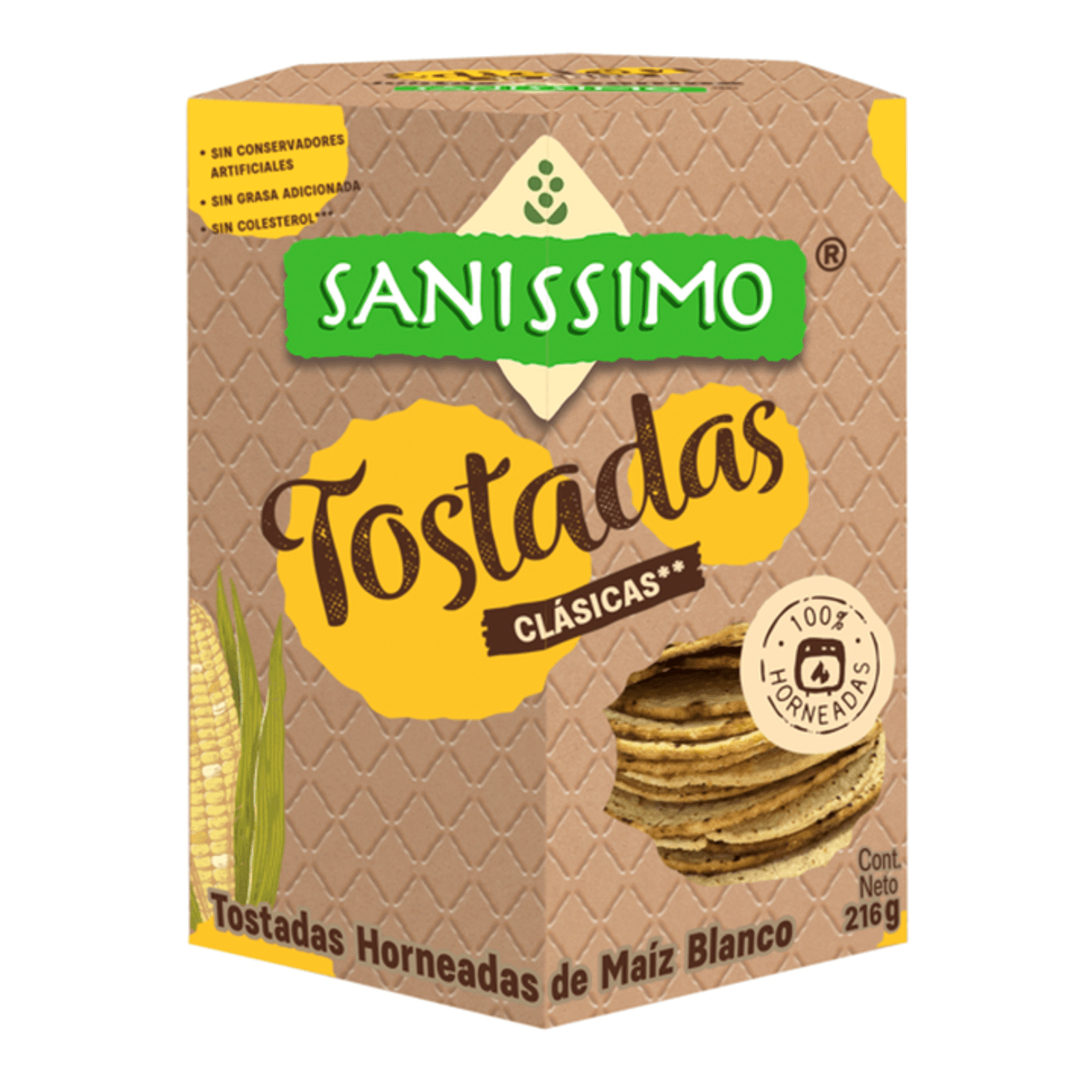
Sanissimo Baked Corn Tostadas – 8 oz
Light, crispy, and sturdy enough to hold a full scoop of ceviche without going soggy.
Buy Now
Altamar Sea Salt – 14 oz
Clean, mineral-forward sea salt that seasons without overpowering — essential for both ceviche styles and the leche de tigre.
Buy Now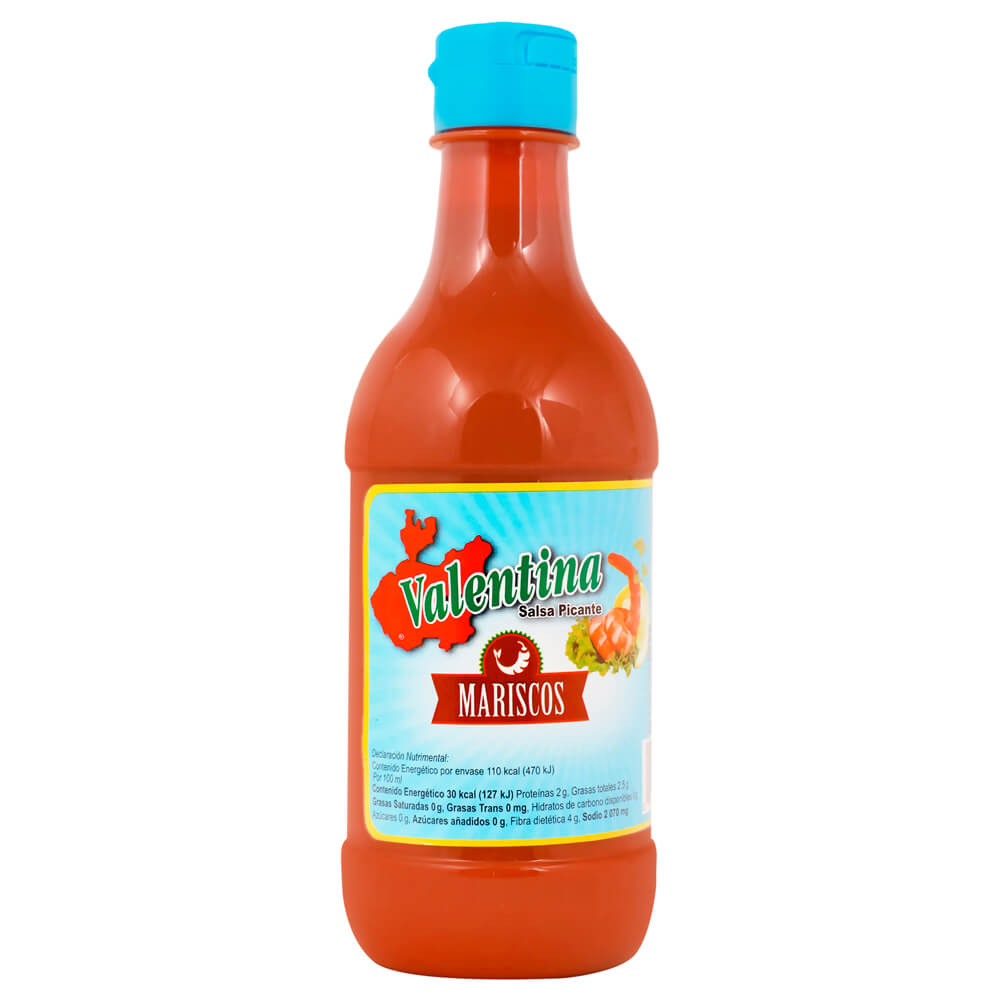
Valentina Seafood Hot Sauce – 12 oz
Designed specifically for mariscos — vinegary, balanced heat that adds depth to ceviche and leche de tigre without overwhelming the citrus.
Buy Now